

India Keeps Climate Action On Track With NDC 3.0 Despite West Asia Crisis Fallout, Say Experts
Executive Summary
As the Chief Growth Officer at Menshly Biz, I am pleased to present this executive report on India's commitment to climate action, particularly in the face of the West Asia crisis fallout. Despite the challenges posed by the crisis, India has reaffirmed its dedication to reducing greenhouse gas emissions and transitioning to a low-carbon economy. The country's updated Nationally Determined Contribution, known as NDC 3.0, outlines a comprehensive plan to achieve its climate goals while ensuring sustainable growth and development. In this report, we will analyze the implications of NDC 3.0 on India's climate action, focusing on scalability, return on investment, and leadership in 2026.
Introduction to NDC 3.0
India's NDC 3.0 is a significant step forward in the country's efforts to combat climate change. The updated plan builds upon the previous NDCs, incorporating more ambitious targets and strategies to reduce emissions. NDC 3.0 aims to achieve a 45% reduction in emissions intensity of GDP by 2030, compared to 2005 levels. This goal is in line with India's commitment to the Paris Agreement, which seeks to limit global warming to well below 2 degrees Celsius and pursue efforts to limit it to 1.5 degrees Celsius above pre-industrial levels. The updated plan also emphasizes the importance of adaptation, climate resilience, and sustainable development.
NDC 3.0 is designed to be a comprehensive and integrated plan, taking into account the country's economic, social, and environmental aspirations. The plan recognizes the need for a coordinated approach, involving all stakeholders, including government agencies, private sector entities, civil society organizations, and local communities. By engaging all stakeholders, India aims to create a collaborative and inclusive environment that fosters innovation, investment, and growth while addressing the challenges posed by climate change.
Scalability of NDC 3.0
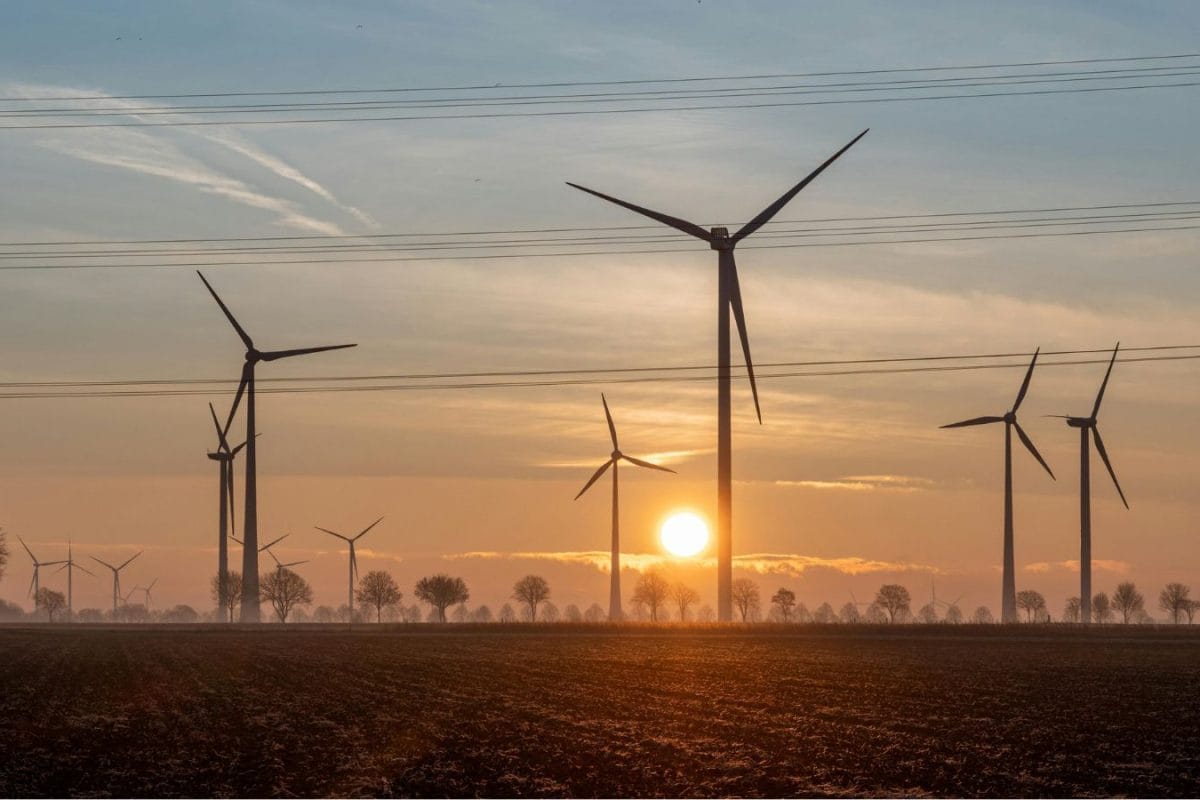
The scalability of NDC 3.0 is a critical aspect of India's climate action plan. The updated plan aims to achieve significant emissions reductions while promoting sustainable development and economic growth. To achieve this, India will need to scale up its efforts in several areas, including renewable energy, energy efficiency, and green infrastructure. The country has set ambitious targets for renewable energy, aiming to achieve 500 gigawatts of installed capacity by 2030. This will require significant investment in solar, wind, and other forms of renewable energy, as well as grid-scale energy storage and smart grid technologies.
Another key area of focus for scalability is energy efficiency. India has implemented several initiatives to promote energy-efficient practices, including the Perform, Achieve, and Trade scheme, which encourages industries to reduce their energy consumption. The country also aims to promote green buildings, sustainable transportation, and climate-resilient infrastructure. By scaling up these efforts, India can reduce its energy consumption, lower emissions, and create new opportunities for economic growth and development.
Return on Investment
The return on investment for NDC 3.0 is a critical consideration for India's climate action plan. The updated plan aims to achieve significant emissions reductions while promoting sustainable development and economic growth. By investing in climate action, India can create new opportunities for economic growth, improve public health, and enhance its global competitiveness. According to estimates, every dollar invested in climate action can generate up to three dollars in economic benefits, including job creation, increased productivity, and improved public health.
🎥 Executive Training Session
India's climate action plan is also expected to attract significant investment from domestic and international sources. The country has established several financing mechanisms, including the Green Climate Fund, to support climate-related projects and initiatives. By leveraging these financing mechanisms, India can access the resources it needs to implement its climate action plan and achieve its NDC targets. The private sector is also expected to play a critical role in supporting India's climate action efforts, with many companies already investing in renewable energy, energy efficiency, and sustainable infrastructure.
Leadership in 2026
As we look ahead to 2026, India's leadership in climate action will be critical to achieving its NDC targets and promoting sustainable development. The country's climate action plan is designed to be a comprehensive and integrated plan, taking into account the country's economic, social, and environmental aspirations. To achieve its goals, India will need to demonstrate strong leadership and commitment to climate action, both domestically and internationally.
India's leadership in climate action will also have significant implications for the global community. As a major emerging economy, India's actions will be closely watched by other countries, and its success in achieving its NDC targets will inspire others to follow suit. By demonstrating its commitment to climate action, India can play a critical role in promoting global cooperation and ambition on climate change, and help to achieve the goals of the Paris Agreement.
In 2026, India will need to build on the momentum generated by NDC 3.0, and continue to demonstrate its leadership in climate action. This will require sustained commitment and investment in climate-related initiatives, as well as continued engagement with all stakeholders, including government agencies, private sector entities, civil society organizations, and local communities. By working together, India can achieve its climate goals, promote sustainable development, and create a better future for all its citizens.
Conclusion
In conclusion, India's NDC 3.0 is a significant step forward in the country's efforts to combat climate change. The updated plan outlines a comprehensive and integrated approach to reducing greenhouse gas emissions, promoting sustainable development, and achieving the goals of the Paris Agreement. By focusing on scalability, return on investment, and leadership, India can achieve its NDC targets, promote economic growth and development, and create a better future for all its citizens. As the Chief Growth Officer at Menshly Biz, I am committed to supporting India's climate action efforts, and I believe that the country's leadership in this area will have significant implications for the global community.
As we look ahead to 2026, it is clear that India's climate action plan will be critical to achieving its NDC targets and promoting sustainable development. The country will need to continue to demonstrate its commitment to climate action, and work with all stakeholders to achieve its goals. By doing so, India can create a better future for all its citizens, and play a critical role in promoting global cooperation and ambition on climate change. I am confident that India will continue to lead the way in climate action, and I look forward to supporting the country's efforts in this area.
The Menshly Biz Mission
Helping modern founders navigate the complexities of AI-driven business models and remote-first culture. Part of the Menshly Digital Media Group.
Follow @Olhmescraxes1





0 Comments