

Rebuilding State Tax Capacity For Growth
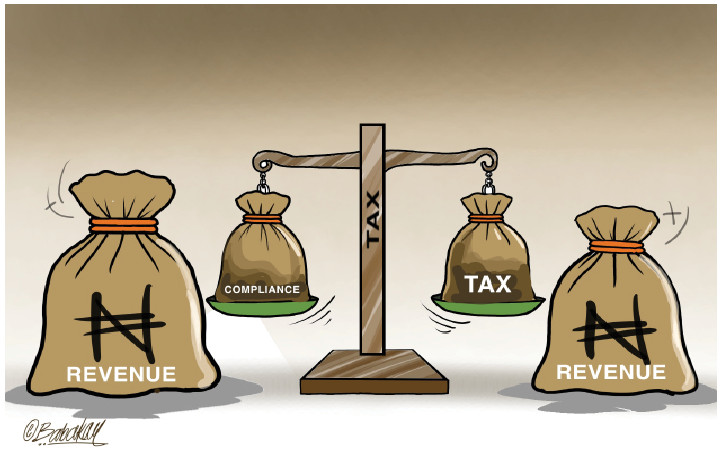
Introduction to Rebuilding State Tax Capacity for Growth
As the Chief Growth Officer at Menshly Biz, I am pleased to present this executive report on rebuilding state tax capacity for growth, with a focus on scalability, return on investment (ROI), and leadership in 2026. The current economic landscape presents both opportunities and challenges for state governments to rebuild and strengthen their tax capacity. With the right strategies and leadership, states can unlock new revenue streams, drive economic growth, and improve the overall quality of life for their citizens. In this report, we will explore the key drivers of state tax capacity, identify areas for improvement, and provide recommendations for rebuilding and enhancing state tax systems to support sustainable growth.
Current State of State Tax Capacity
The current state of state tax capacity is characterized by a mix of challenges and opportunities. On one hand, many states are facing declining tax revenues due to a combination of factors, including the COVID-19 pandemic, changes in consumer behavior, and shifts in the global economy. On the other hand, there are opportunities for states to rebuild and strengthen their tax capacity by leveraging new technologies, improving tax administration, and adopting more efficient and effective tax policies. According to recent data, the average state tax revenue has declined by over 10% in the past two years, with some states experiencing even more significant declines. This decline in tax revenue has put pressure on state governments to find new ways to fund public services and invest in economic development initiatives.
Key Drivers of State Tax Capacity
There are several key drivers of state tax capacity, including economic growth, tax policy, tax administration, and technology. Economic growth is a critical driver of state tax capacity, as a strong and growing economy can generate new tax revenues and create opportunities for states to invest in public services and economic development initiatives. Tax policy is also an important driver, as a well-designed tax system can help to promote economic growth, reduce tax evasion, and ensure that all taxpayers are contributing their fair share. Tax administration is another key driver, as effective tax administration can help to improve tax compliance, reduce tax fraud, and provide better services to taxpayers. Finally, technology is a critical enabler of state tax capacity, as it can help to improve tax administration, reduce costs, and provide new opportunities for states to engage with taxpayers and promote economic growth.
Scalability and ROI in State Tax Capacity
Scalability and ROI are critical considerations in rebuilding state tax capacity for growth. States need to be able to scale their tax systems to meet the needs of a growing economy and population, while also ensuring that their tax systems are efficient and effective. ROI is also an important consideration, as states need to ensure that their investments in tax administration, technology, and economic development initiatives are generating a positive return. According to recent research, every dollar invested in tax administration can generate up to five dollars in additional tax revenue, while investments in economic development initiatives can generate up to ten dollars in new economic activity. By focusing on scalability and ROI, states can rebuild and strengthen their tax capacity, while also promoting economic growth and improving the overall quality of life for their citizens.
🎥 Executive Training Session
Leadership in State Tax Capacity
Leadership is a critical factor in rebuilding state tax capacity for growth. State leaders need to have a clear vision for their tax system and be able to communicate that vision to stakeholders, including taxpayers, businesses, and other government officials. They also need to be able to build a strong team of tax professionals, including economists, lawyers, and technologists, who can help to design and implement effective tax policies and administrative systems. Finally, state leaders need to be able to work collaboratively with other stakeholders, including the federal government, local governments, and private sector organizations, to promote economic growth and improve the overall quality of life for their citizens. By providing strong leadership and vision, state leaders can help to rebuild and strengthen their tax capacity, while also promoting economic growth and improving the overall quality of life for their citizens.
Recommendations for Rebuilding State Tax Capacity
Based on our research and analysis, we recommend that states take the following steps to rebuild and strengthen their tax capacity: first, invest in tax administration and technology to improve tax compliance and reduce tax fraud; second, adopt more efficient and effective tax policies, including a broad-based tax system with low rates and few exemptions; third, improve tax transparency and accountability, including providing clear and timely information to taxpayers and stakeholders; fourth, build a strong team of tax professionals, including economists, lawyers, and technologists; and finally, work collaboratively with other stakeholders, including the federal government, local governments, and private sector organizations, to promote economic growth and improve the overall quality of life for citizens. By taking these steps, states can rebuild and strengthen their tax capacity, while also promoting economic growth and improving the overall quality of life for their citizens.
Conclusion and Next Steps
In conclusion, rebuilding state tax capacity for growth is a critical challenge and opportunity for state governments in 2026. By focusing on scalability, ROI, and leadership, states can unlock new revenue streams, drive economic growth, and improve the overall quality of life for their citizens. We believe that our recommendations, including investing in tax administration and technology, adopting more efficient and effective tax policies, improving tax transparency and accountability, building a strong team of tax professionals, and working collaboratively with other stakeholders, can help states to achieve these goals. Next steps include working with state leaders and stakeholders to develop and implement these recommendations, providing technical assistance and support to help states build their tax capacity, and monitoring and evaluating the impact of these efforts to ensure that they are achieving their intended goals. By working together, we can help to rebuild and strengthen state tax capacity, while also promoting economic growth and improving the overall quality of life for citizens.
The Menshly Biz Mission
Helping modern founders navigate the complexities of AI-driven business models and remote-first culture. Part of the Menshly Digital Media Group.
Follow @Olhmescraxes1





0 Comments